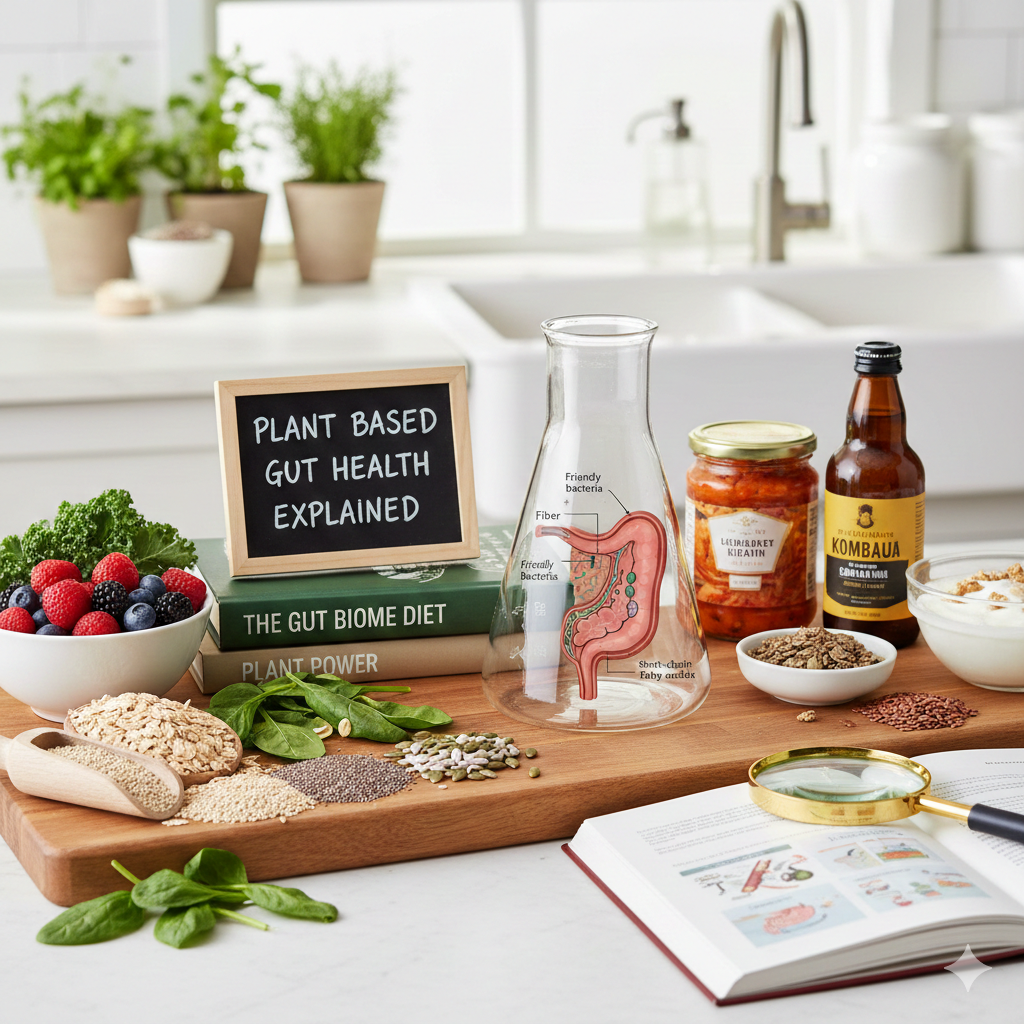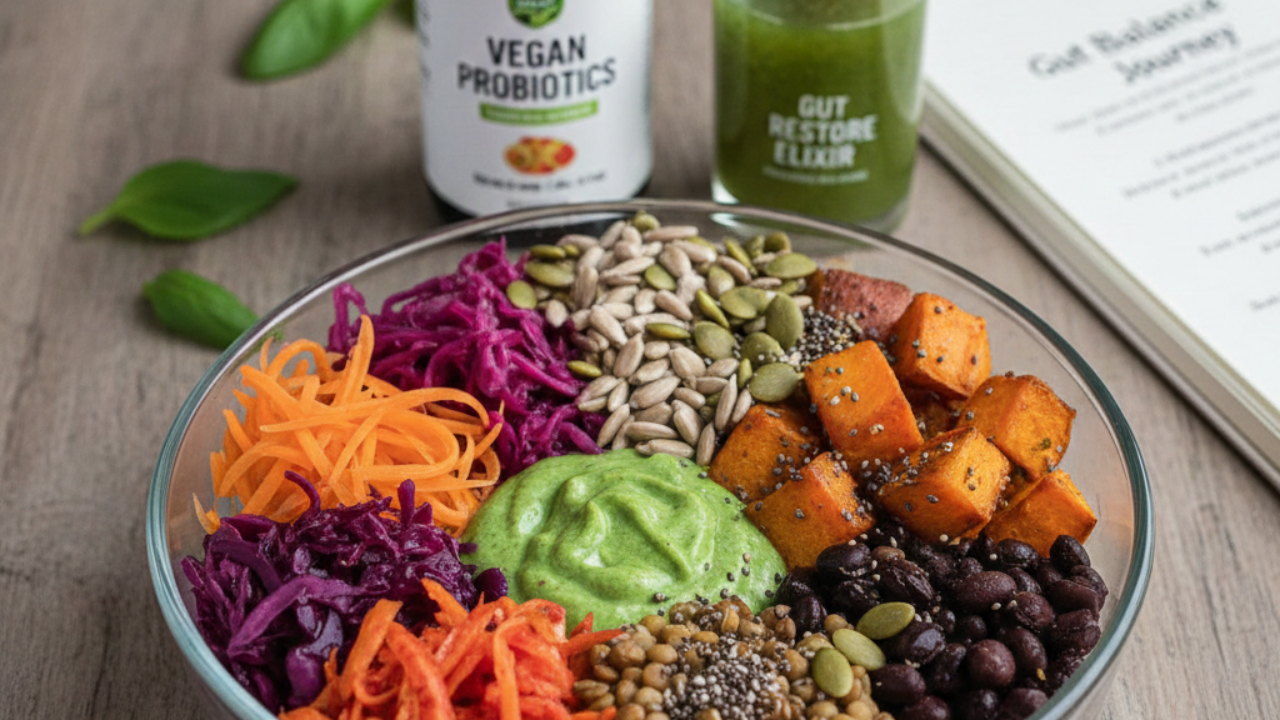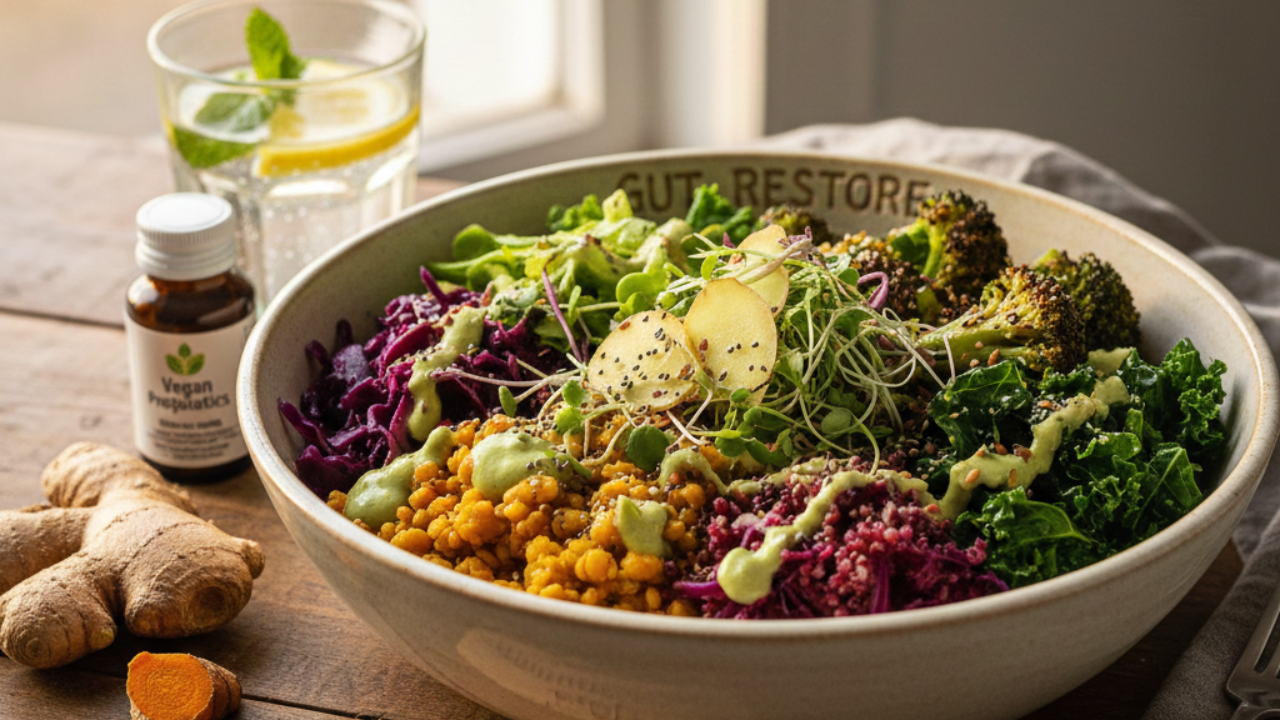
Vegan Inflammation Reduction for Gut health has increasingly gained prominence as a trend in wellness in recent years because an increasing body of research has confirmed that having a healthy digestive system is significant to overall health. Inflammation of the gut over a long period of time may lead to several complications, including digestive disorders, autoimmune disorders, and even mood swings. The vegetarian or vegan diet has some natural methods of assisting in lowering the inflammation and raising the well-being of the intestines.
Vegans can maintain healthy and balanced gut microbiota by consuming complete and nutrient-rich meals and eliminating those that lead to inflammation. Vegan diet is rich in fiber, antioxidants, and phytonutrients that found to critical in the regulation of gut inflammation. Foods that contain high levels of fiber (whole grains, legumes, fruits, and vegetables) are prebiotics, which nourish the good bacteria in the intestines and contribute to the existence of a diverse microbiome.
Moreover, vegetarian foods are a good source of anti-inflammatory agents such as polyphenols and flavonoids that neutralize oxidative stress and lower the levels of inflammatory cues. Vegans can achieve a strong, healthy digestive system by including a great diversity of colorful vegetables, nuts, seeds, and fruits in their everyday meals. In addition, fermented plant foods (sauerkraut, kimchi, miso, and tempeh) also bring probiotics to the intestines.
How to support your gut and immune system asa vegan
It is good to support the immune system and the state of the intestines. A balanced microbiota and a healthy gut lining are also necessary to have a healthy immune system. Vegan diets are also rich in fibers, antioxidants, and phytonutrients, which are naturally high in vegan diets and help decrease inflammation and strengthen the protective layer of the gut.
The plant foods that are rich in probiotics and contribute to maintaining the healthy balance of gut bacteria include fermented veggies, tempeh, miso, and kombucha. Prebiotic fibers found in foods such as onions, garlic, asparagus, bananas, and whole grains that nourish the good bacteria and allow them to grow and perform their functions. Fruits and vegetables, nuts, and seeds also contribute to the immune system and reduce oxidative stress because they considered anti-inflammatory polyphenols.
Eating a large amount of various colorful plant foods will give you a broad spectrum of phytonutrients, which will be able to reduce inflammatory symptoms and enhance an intestinal barrier. Regular consumption of such foods as part of meals and snacks supports the diversity of intestinal bacteria as well as the entire immunity of the body. It produces a synergistic effect, which automatically reduces inflammation.
Will solely vegetarian dieting benefit inflammation
Yes, it has been found that a vegan diet can reduce inflammation significantly. Vegan diets naturally contain few saturated fats and plenty of fiber, antioxidants, and inflammatory-fighting chemicals. Studies show that high-fruit, vegetable, leguminous, and whole-grain diets have a lowering effect on the levels of C-reactive protein (CRP), a marker of whole-body inflammation, and a protective effect against the risk of chronic inflammatory diseases.
Some of the foods with bioactive substances that combat inflammation in the stomach and body are berries, leafy greens, cruciferous vegetables, turmeric, ginger, flaxseeds, and walnuts. Vegans can also decrease systemic inflammation and enhance gut health by eliminating pro-inflammatory food commonly found in animal products, such as processed meat products and creamy dairy products with high fat content.
On top of these anti-inflammatory foods, fermented plant-based foods can also added to a vegan diet, which will help to maintain the gut health. Fermented foods such as kimchi, sauerkraut, miso, and tempeh contain good probiotics that aid in the promotion of a healthy gut microbiome. A rich and healthy microbiome is crucial in the regulation of the immune system and prevention of intestinal and overall inflammation, as well as nutrient absorption.
How can inflammation of the gut be calmed down in the shortest time possible
In order to reduce the intestinal inflammation fast, you will have to change not only what you eat but also the way you live. Dietary-wise, it is worth paying attention to whole, plant-based foods and eliminating processed, high-sugar, and high-fat foods. All foods rich in omega-3s are chia seeds, flaxseeds, and walnuts. These are foods that combat inflammation. Fermented foods and prebiotics, in their turn, help the microbiota and the gut barrier to function correctly.
Hydration is also necessary in reducing gut inflammation. Consuming sufficient amounts of water and tea herbs such as ginger or chamomile will assist in relaxing the digestive system and eliminating toxins. Mindfulness, yoga, and sleeping well are all effective methods of handling stress since chronic stress may exacerbate gut inflammation. These changes in diet and lifestyle can bring about good and very fast results in calming down inflammation in the intestines when you combine them.
As a vegan, how can I heal my gut
By going vegan, you are able to heal your gut, which includes restoring the balance of the bacteria in your gut, making the gut lining more robust, and reducing the number of irritants. Eating a lot of plant foods contains a lot of fiber, so it is ensured that good bacteria find the food they require to multiply. Slowly increasing the level of fiber intake is essential, as it prevents a digestive issue and at the same time promotes a diverse set of microbes.
The consumption of fermented and probiotic foods daily, including kimchi, sauerkraut, tempeh, and unsweetened plant-based yogurt, may used to replace good gut bacteria. To avoid the worsening of your gut lining, you can avoid eating ultraprocessed vegan foods, excess sugar, and high-additive foods. A few minerals, such as vitamin B12, vitamin D, and zinc, also help to keep your gut and your immune system healthy by adding some of them to your diet.
How to Maintain a Healthy Gut on a Vegan Diet
A vegan diet can be an effective means of combating inflammation and enhancing the condition of the intestines when properly done. Vegans should have a larger variety of microbiota and reduce inflammation by consuming a greater amount of whole high-fiber foods, fermented products, polyphenols, and omega-3s.
The other lifestyle changes that can make your digestive health even better are stress management, exercise, and good sleep hygiene. The gut will recover and grow with time on a consistent and balanced routine with nutrition, mental health, and exercise. When properly followed, a vegan diet can reduce inflammation and create a strong and healthy gut to facilitate immunity and health.