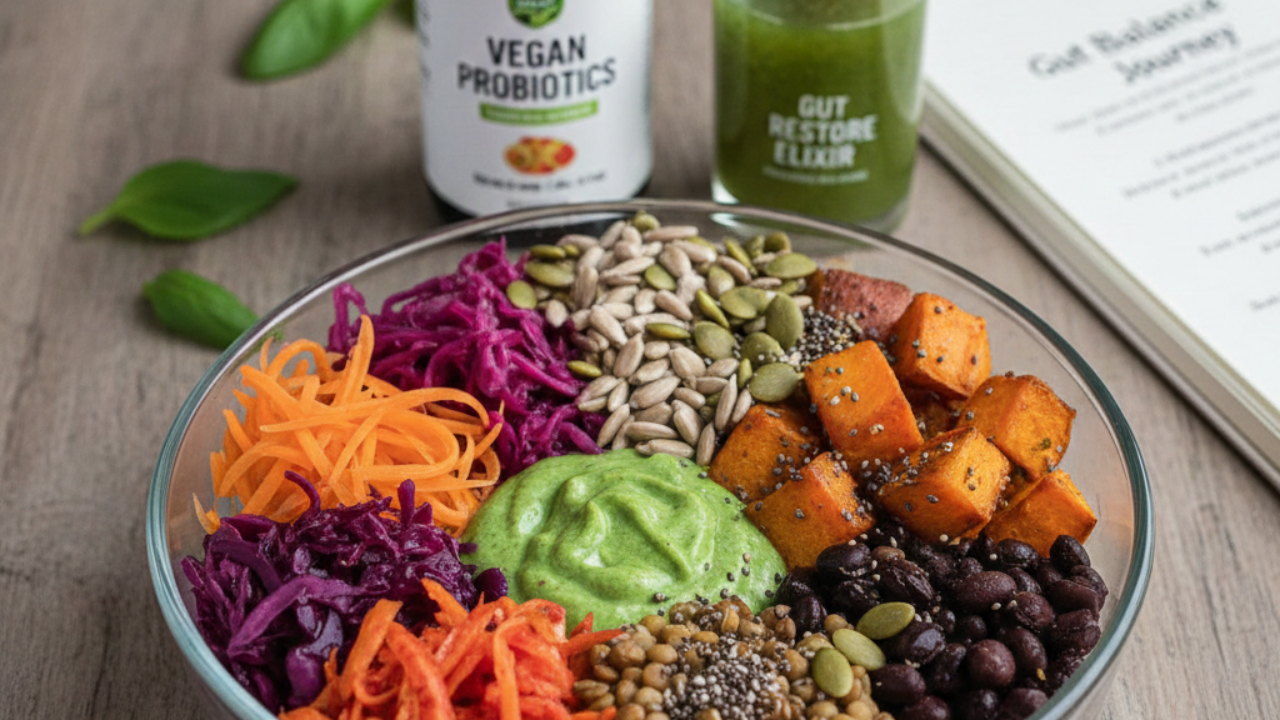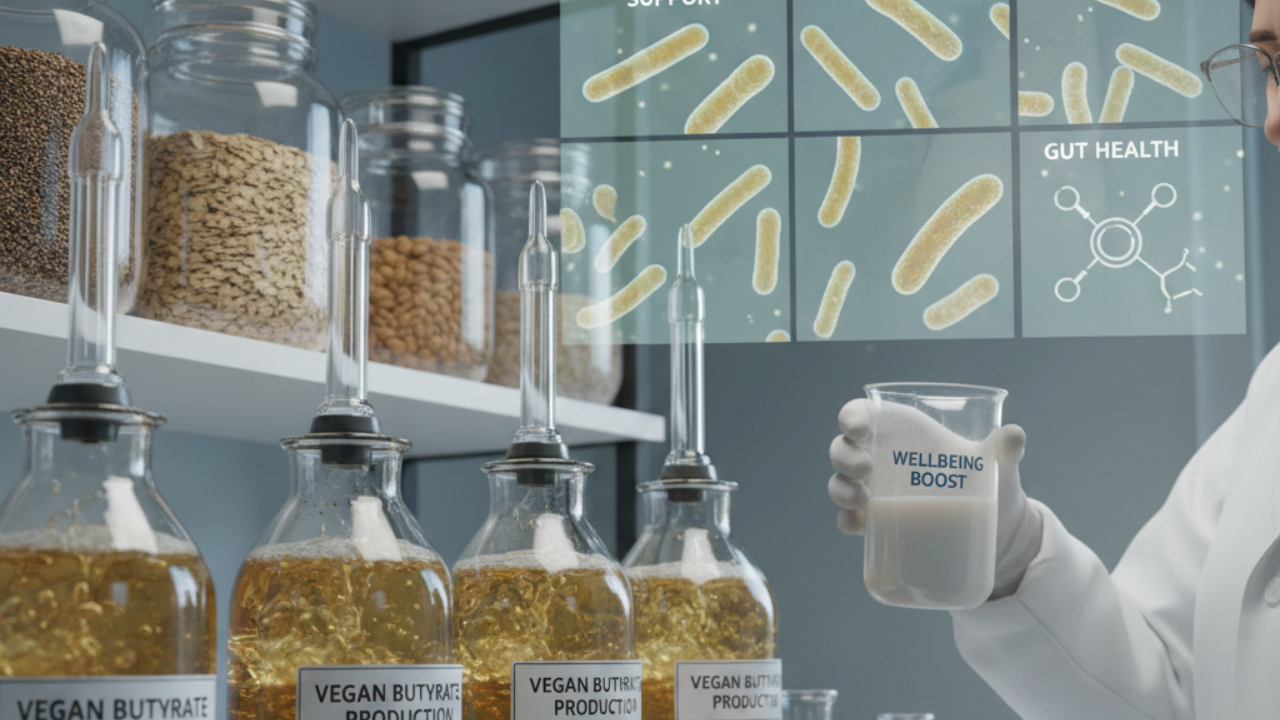
Vegan Butyrate Production for Wellbeing. Butyrate is a short-chain fatty acid, which is highly significant in intestinal health, inflammation regulation, and wellness. Mostly butyrate is produced in the colon as the gut bacteria decompose the dietary fibers. It assists in digestion, enhances the immune system, and is possibly helpful to mental health. The development of interest in enhancing butyrate synthesis by means of vegan diets has grown as there is an increase in plant-based diets.
The information on how to assist in making butyrate can be rather useful to those people who desire to become healthy and live long. Diets high in fiber and prebiotic substances are one of the major methods of raising the level of butyrate. Whole grains, legumes, fruits, and vegetables contain fermentable fibers, which broken down into short-chain fatty acids by the gut bacteria, such as butyrate. Green bananas, cooked and cooled potatoes, and some beans contain resistant starches.
That are especially good in triggering the production of butyrate. Moreover, the balance of the gut microbiome in general, and the increase of the butyrate levels particular, can helped with the help of fermented foods, such as kimchi, sauerkraut, or miso. Dietary diversity and variety of plant-based foods can guarantee a high level of microbes, and this will guarantee the best butyrate production and intestinal well-being.
Why has Miley Cyrus since abandoned his veganism?
The celebrity diets tend to influence the thinking of the people on veganism. Miley Cyrus is an acclaimed believer of plant-based living who publicly declared that she ceased a full vegan diet. She was initially becoming vegan out of moral and health considerations and she claimed that it was quite difficult to maintain her nutrient balance, particularly protein and a number of other vitamins.
Her narrative demonstrates that all individuals desiring to be vegans ought to be careful with their meals. The lack of the appropriate nutrients may harm your energy, muscle preservation, and metabolism. This comprises the gut microbiome processes that produce butyrate. The optimum butyrate production is available to vegans who consume a range of high-fiber, prebiotic, and resistant-starch vegetarian foods. This is regardless of the fact that some of them may switch their diets with time.
What shall you do to make more butyrate?
The gut bacteria that digest the food fibers cannot digest as many as they can decompose and thus require feeding to get the most butyrate. Here are some important tips:
- Eat more fiber. Foods such as whole grains, legumes, veggies, and fruits contain fermentable fibers, which feed bacteria that produce butyrate. Resistant starch is found foods such as green bananas, cooked and cooled potatoes, and oats, and they can useful.
- Include Prebiotic Foods: Prebiotic foods such as garlic, onions, leeks, and asparagus assist the healthy microbes in the gut to grow, thereby producing butyrate.
- Increase the diversity of plant-based foods— Various kinds of fibers contribute to the growth of different kinds of bacteria. A healthy and diverse microbial community that capable of producing more butyrate ensured in a diet characterized by a variety of plant-based foods.
- Consider fermented foodstuffs– Fermented foods such as sauerkraut, kimchi, and miso do not directly provide you with butyrate, but they have the potential to improve the overall health of your gut microbes and to have your body generate more short-chain fatty acids.
- Reduce Additional Animal Consumption: Diets that are rich in saturated fats and lack fiber can reduce the development of butyrate. Full vegetarian diets are desirable for their higher content of butyrate because of their richness in fiber and low saturated fat.
What Did Einstein Write about Being Vegan?
Albert Einstein is well known for his work in physics, yet he was also concerned with nutrition and the way animals ought to be treated. He was not a complete-fledged vegan, but he advocated a plant-based, moderated diet of animal products. It has been reported that Einstein said that a vegetarian diet could good for both your health and moral responsibility to the animal world.
This is the opinion that contemporary science attributes to the fact that plant-based diets enhance the health of the gut and boost butyrate levels. By focusing on fiber-rich diets, individuals can get more gut microbial activity, reduced inflammation, and better metabolic outcomes.
The Health and Science of Butyrate
Butyrate is a suitable fuel for the colon cells. It enhances the intestinal barrier as well as reduces inflammation in the body. Studies have shown that a high level of butyrate associated with decreased risk of inflammatory bowel disease, obesity, and metabolic syndrome. Another piece of new evidence that butyrate also associated with improved brain functioning, emotional control, and cognitive wellness. This is the operation of the gut-brain axis.
Eating substantial amounts of plants could help your body to generate butyrate, which could be helpful to your physical condition and potentially your mental and emotional condition. Among the most accessible and least complicated ways for most humans to improve their gut microbiome and general well-being, eating high-fiber foods containing prebiotics on a regular basis needs to mentioned.
Healthy Eating (Gut Health) to Improve Long-Term Health
The optimum solution to supporting wellness vegan butyrate that can made a long-term and sustainable manner. Eating high-fiber and prebiotic foods and other changes in lifestyle that enhance microbial diversity can help people to digest better, reduce inflammation, and have better health in general. Stories of celebrities and history are intriguing; nevertheless, the science of butyrate demonstrates the significance of leading a daily and reasonable vegetarian diet.
The production of butyrate is useful in maintaining the health of the gut, which is essential in regard to overall health. This exhibits the food and microbial balance and lifelong health relationships. Besides the food that an individual eats, lifestyle habits that promote the growth of the gut microbiota can also used to enhance butyrate production. Regular exercise, proper sleep, and stress reduction are significant factors that help to preserve the diversity of microbes as well as the healthy intestinal environment.
Fermented foods of plant origin, e.g., kimchi, sauerkraut, and miso, present useful bacteria that facilitate the fermentation process, as well as the production of short-chain fatty acids. A synergistic effect of these lifestyle practices and a diverse, fiber-rich vegan diet maximized when combined, and the natural production of butyrate and its health-promoting effects maximized. Moreover, it is important to have long-term consistency.