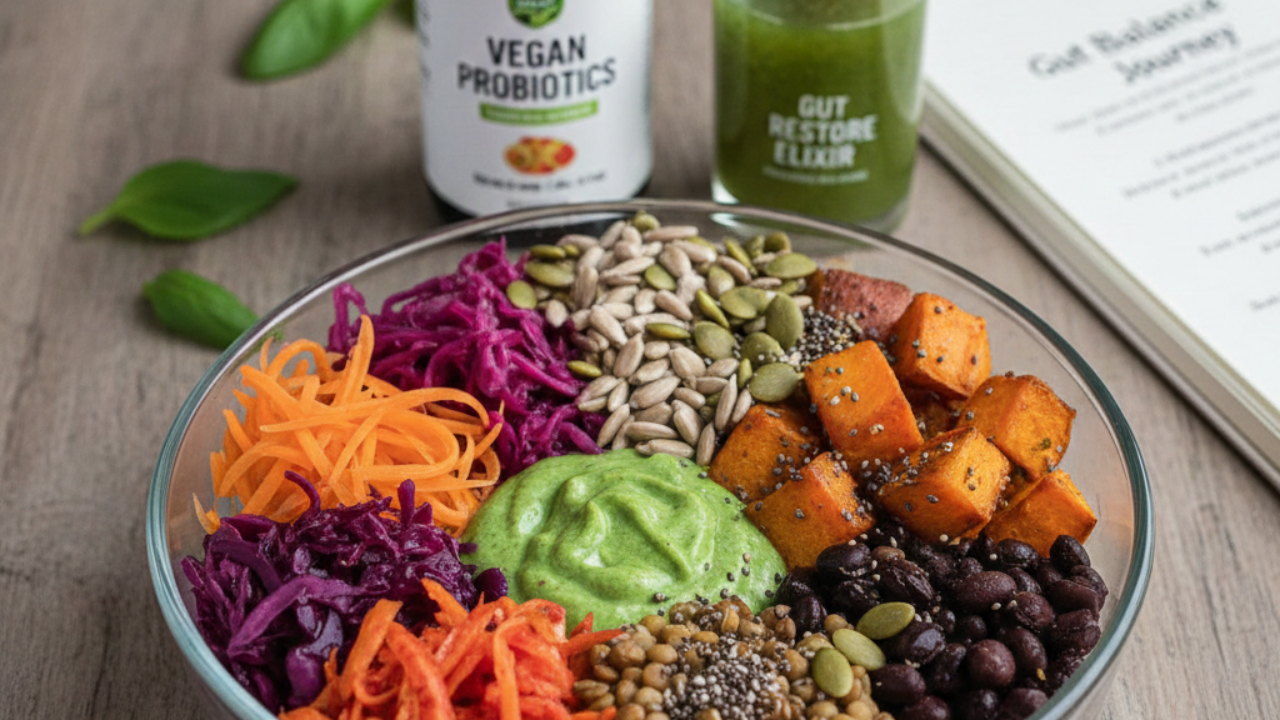
Gut health deserves the hype and is now one of the most discussed topics in the nutrition field. The digestive tract is vital to the body not just because of its ability to break down the food but also because of its role in the body in terms of immunity, energy production, hormone regulation, and even mental health. It is even more crucial to know that gut health is essential to individuals who follow a plant-based diet.
Though feeding on a diet high in fruits, vegetables, legumes, nuts, seeds, and whole grains will inherently enhance digestion, it may end up causing troubles in case it not planned. This paper discusses the functioning of the gut, the impact of a plant-based diet on digestive well-being, and how you can take action to improve your gut to achieve long-term health. The first step to the understanding of how the gut functions is the appreciation of how the diet can influence overall wellness.
Trillions of microorganisms collectively referred to as the gut microbiome live in the gut and aid in the breakdown of food, the production of vitamins, inflammation, and brain communication via the gut-brain axis. Whenever this microbial ecosystem is in balance, digestion becomes more efficient, the immunity is stronger and the body works in harmony. Nevertheless, during the times of the microbiome disruption by unhealthy dieting, stress, sleep deficit, or abrupt changes.
A Communication between the Intestines and Victuals.
A vegetarian diet will support a healthy gut microbiome because it is rich in fiber, antioxidants, vitamins, minerals, and phytonutrients. The diverse population of bacteria that live in your digestive tract what referred to as your microbiome. Most of these bacteria facilitate food digestion and the formation of healthy substances, as well as the defense of the organism against harmful illnesses.
Specifically, fiber is a necessity. Unlike protein, lipids, or carbs, fiber passed through the digestive tract without being digested until it gets to the colon, where it converted to good bacteria food. When fermenting fiber, these bacteria produce short-chain fatty acids (SCFA) such as butyrate, acetate, and propionate.
SCFA improves immunity, reduces inflammation, and strengthens the gut lining. The relationship between plant-based diets and a higher level of microbial diversity and improved gut health is strongly correlated due to the high amount of fiber contained them as compared to characteristic Western diets.
Potential Problems with Digestion of a Plant-Based Diet.
Despite the advantages, a plant-based diet may sometimes lead to gastrointestinal discomfort, especially for individuals changing their eating habits that are low in fiber. The common issues include bloating, gas, and bowel habits. Such symptoms typically caused by the gut microbes getting accustomed to the sudden increase fermentable fibers.
Another factor to consider is nutrient absorption. Other compounds in the diets of certain plants, such as oxalates, lectins, and phytates, may interfere with the absorption of minerals such as calcium, zinc, and iron. This is not to say that plant diets are poor, but instead that food absorption and digestion are.
Can be enhanced by strict food preparation (e.g., sprouting grains, soaking legumes, or placing foods specific locations). The discomfort can reduced by diversified intake of fibers and sufficient consumption of water, as well as fermented foods, which can help the body transition to a vegetarian diet.
The Enhanced Diversity of Gut Microbes through a Vegan Diet.
Microbial diversity is one of the most appropriate indicators of intestinal health. The many strains of bacteria that are present together and perform different tasks make the body prosperous.
Plant-based diets promote diversity in that they:
- A vast variety of types of fibers. Fibers vary from one another. All types of fibers, such as soluble, insoluble, and resistant, have specific roles in intestinal health. Plants are the ones rich in these.
- Phytonutrients and polyphenols. Polyphenols are abundant in berries, teas, herbs, nuts, and colorful vegetables and induce an effect on the microbiome, which nurtures good bacteria and decreases the inflammation of the intestinal lining.
- The use of prebiotics Many plants consumed as foods help to maintain probiotic microorganisms by serving as prebiotics. The examples include leeks, garlic, onions, oats, bananas, asparagus, and legumes.
- Low Contents of Saturated Fats. High saturated fat diets can cause the development of harmful microorganisms. Plant-based diets generally emphasize healthy fats, which used to promote intestinal homeostasis. All these factors combine to create an environment that helps in the proliferation of useful microorganisms and starves dangerous
Creating a Strong Intestine by Eating Plants.
A vegan diet might be among the most effective methods of feeding a healthy digestive system, not only with fiber but also phytonutrients and, of course, microbial health. Progressive addition of fibers, consumption of fermented foods, maintaining hydration, and a varied plate can help people decrease the number of cases of intestinal discomfort and improve the absorption of nutrients. A combination of conscious lifestyle decisions such as improved sleep, exercise, and stress reduction.
Makes a vegetarian diet the basis of long-term gut resilience. The integration of whole food and healthy living strategies may change the gut and eventually health and vitality in the long run. With the adoption of the principles, plant-based adherents can develop a digestive environment that promotes balance, comfort, and general wellness. The gut develops over time into an improved digestion of complex plant fibers, absorption of important nutrients, and preservation of.
The microbial diversity. This not only improves the digestion every day but also leads to increased immunity, energy, and mental clarity due to the gut-brain connection. With the ongoing development of the research suggesting an immense depth of the relationship between diet and gut operation, it is evident that a plant-based strategy is potentially very beneficial in the long term. Through mindful eating, regular lifestyle habits, and an awareness of the way various foods affect health.