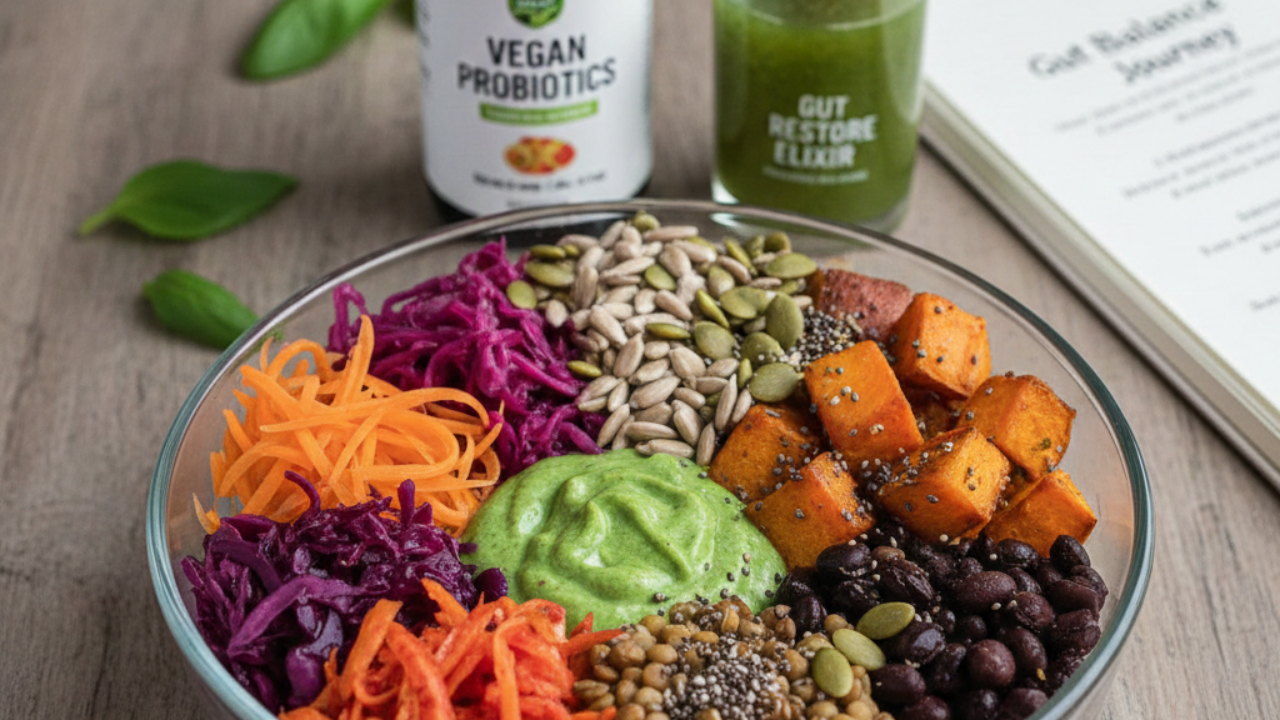
Maintaining a healthy gut flora has become a large portion of nutrition research in the modern day, and resistant starch is a major component of it. This particular type of carbohydrate does not break down in the small intestine but rather ferments in the colon, where the positive bacteria in the gut are fed by them. Resistant starch is a valuable dietary component for vegans, who already pay attention to the plant-based diet, in order to maintain it.
The diversity of the intestine enhances its metabolism and finally keeps the general health. Resistant starch added to a vegan diet not only feeds the healthy bacteria in the gut but it also results in the generation of short-chain fatty acid (SCFA), especially butyrate. Butyrate is necessary to maintain colon health since it enhances the gut barrier, decreases inflammation, and boosts the immune system.
Resistant starch can offer a specific means of maximizing microbial activity the gut to those whose diets well-balanced in fiber yet low in some fermentable carbohydrates, such as vegans. Regular consumption assists in sustaining a balanced microbiome, which has associated with improved gut microbiome digestion, superior nutrient absorption, and even improved mood due to the gut-brain axis.
Does resistant starch benefit the bacteria of the gut?
Resistant starch is a prebiotic and the prebiotic is actually food for good gut flora such as Lactobacilli and Bifidobacteria. These bacteria degrade resistant starch to produce short-chain fatty acids (SCFAs), in particular butyrate. Butyrate plays a crucial role in the health of the colon, as it reduces the inflammation and enhances the gut barrier, as well as even improves the functionality of the immune system.
Studies have shown that incorporation of resistant starch in the diet can help in the normalization of digestion and prevention of bloating as well as normalization of blood sugar levels. This is important particularly to the vegans since a high-fiber diet might not provide sufficient fermentation substrate to support the optimal gut microbiota diversity. Other fibers combine with resistant starch to diversify and enhance the strength of microbes.
Good Ideas to Veganize Food, the following are some simple meals that can assist in getting the most stubborn starch:
- You can also prepare rice, pasta, or potatoes and then use them in salads or bowls.
- It is also important to consume at least one meal of legumes daily.
- Added green bananas are made into smoothies and plantain flour used in pancakes.
- Prepare oat or barley porridge the day before and leave it to cool down.
These ways ensure that the gut bacteria receives an adequate amount of prebiotics as well as make meals exciting, nutritious, and entirely vegetarian.
The 30 grams of resistant starch I need to get daily
The amount of resistant starch may sound difficult to get, but it can happen with prior planning. Study suggests that a moderate target is 30 grams per day, which can cause large changes to the gut bacteria.
Some helpful hints are:
- Cooked and then cooled potatoes or rice: They then contain much more resistant starch after they have been cooled. The amount of resistant starch in a cup of cooked and cooled potatoes can, as an example, be approximately 5 grams of resistant starch.
- Legumes and beans Lentils, chickpeas, and black beans are all excellent sources of legumes. The price of 1 cup of lentils is approximately 6 to 7 grams.
- Oats and barley: Even cold Oats or boiled barley can still contain a high amount of resistant starch.
- Supplemental powders: You can easily use potato starch and other resistant starch powders as a means of reaching the 30-gram target by adding the powder to your smoothies or vegan shakes.
Eating a blend of these foods all through the day and particularly chilling starchy food prior to meals, is a practical way of ensuring one has the appropriate proportion of nutrients without consuming meat.
Which plants possess starch, which is the most resistant
Resistant starch is the most abundant component in the foods that vegans can benefit from to optimize the use of their microbiota. Some of the finest sources of plants are:
- Still-green bananas or those that not yet fully ripened, contain high amounts of resistant starch.
- Prebiotic starch is always high in legumes, such as lentils, chickpeas, kidney beans, and black beans.
- Cooked and cooled potatoes or rice develop a crystalline arrangement known as retrograded starch and this renders the food hard to digest.
- Corn and green plantains: Cornmeal and plantain flour can used when they have not processed much.
By ensuring that a large proportion of their daily meals made up of these foods, vegans can ensure that their gut flora receives sufficient food to grow and operate properly. It also ensured with rotating sources that there are diverse prebiotics, which are important in ensuring that the gut flora remains strong.
Other Perks other than Gut Health
Resistant starch does not only give nourishment to the microorganisms in your stomach but also ensures that your entire body remains healthy. The conversion of resistant starch to SCFAs can assist in fermentation to achieve better outcomes of insulin, reduce blood sugar spikes, and accelerate the digestion of fats. It could even assist in losing weight, as it will make you feel full and reduce calories and balance your energy.
In the case of vegans, resistant starch would be useful in compensating for the fact that the diets of plants do not always contain an equivalent amount of protein and calories. It makes you always energetic and allows your gut to absorb the nutrients. It can also used to support cardiovascular and metabolic health generally because it decreases inflammation. This is why it is a multi-purpose food.
Enhancing the strength of the microbiome by the use of resistant starch
Among the simplest methods of supporting your gut microbiota and your health in general, the addition of vegan resistant starch to the diet can be mentioned. It assists with the thriving of good bacteria, SCFAs, which is beneficial to the gut and it has some metabolic effects such as blood sugar levels and the feeling of fullness.
Vegans can simply achieve daily targets, such as 30 grams, without eating animal foods, provided they prioritize obtaining sufficient nutrients through vegetables and organize their meals. Resistant starch is also effective in combination with other prebiotics and fibers to diversify and strengthen the gut microenvironment, which would be relevant in long-term health.