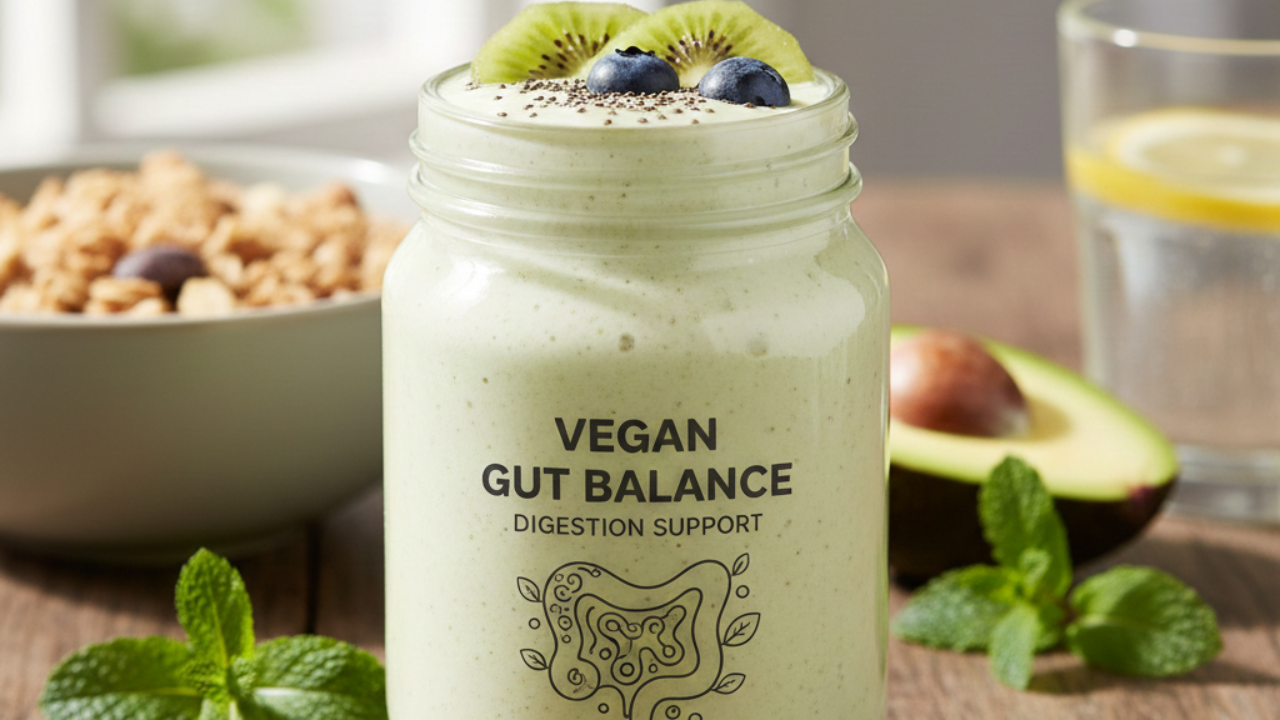
Vegan Gut Balance for Digestion. It is important to keep your gut healthy, as it influences your general health, as it can influence digestion, immunity, and even psychological well-being. The microbiome of the gut, or a set of useful bacteria, is healthy, and it assists the body in digesting, absorbing nutrients, and maintaining its metabolism. Food actually matters to the health of the gut, and recent studies indicate that consuming large amounts of vegetable food, particularly veganism, can be very beneficial to the digestive system.
As a natural process, people can enhance their gut by understanding how diet affects the gut, whether veganism is beneficial to digestion and how to reboot the digestive system. An anti-inflammatory diet to promote gut health usually focuses on whole foods that are rich in fiber with a low intake of processed and inflammatory foods. Vegetable, fruit, legume, and whole grain fiber is a prebiotic and supplies the growth of good gut bacteria, as well as normal bowel movements.
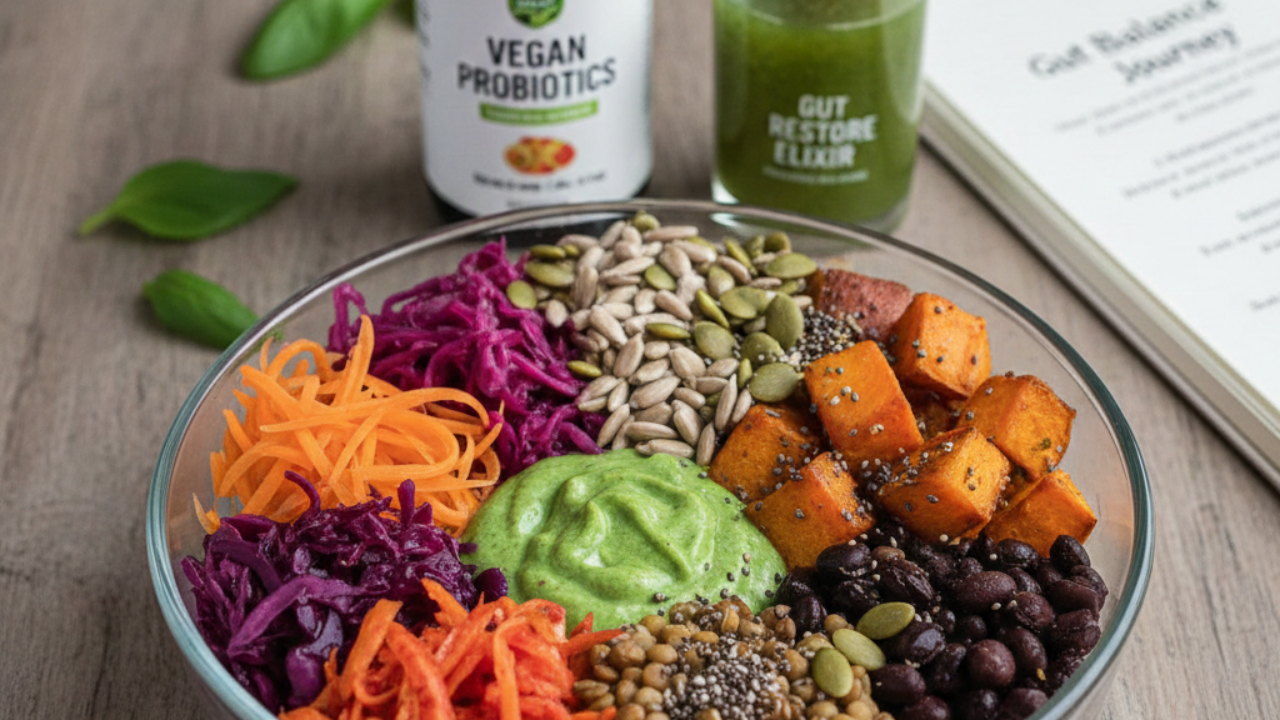
Probiotics—live bacteria that contain fermented foods such as sauerkraut, kimchi, miso, and kombucha—aid in the maintenance of a balanced intestinal microbiome. It is also critical to well hydrated because water helps the absorption of nutrients and avoids constipation. By cutting down on refined sugars, highly processed foods, and too many animal fats, more gut inflammation will reduced and a healthier microbial environment will achieved.
Which Diet Supports Optimal Digestion
The digestive diet is a diet of complete foods, including high-fiber and low-processed foods and inflammatory foods. High in soluble and insoluble fiber are fruits, vegetables, legumes, and whole grains. These are referred to as prebiotic foods since they feed the good bacteria the stomach. This renders things less bloated, more normal, and able to absorb more nutrients.
Probiotics are also available in fermented foods such as kimchi, sauerkraut, miso, and yogurt and are live bacteria that are beneficial to the microbiome of your gut. You should also drink enough water, as it aids digestion, transports other nutrients within the body and also ensures that you not constipated. Reducing sugar, refined grains, and excess animal fat will assist in maintaining a healthy gut and prevent dysbiosis, or an imbalance in the gut bacteria and an imbalance capable of causing digestive issues.
It is usually considered that a high number of various plant-based meals, fermented foods, and adequate water content the diet the best practices that the people who desire to enhance their digestion can utilize. Having food rich in fiber and micronutrients and balancing the macronutrients ensure that the gut has what it requires to work effectively.
Does a Vegan Diet Improve Digestive Health
The vegan diet can benefit your digestion in a wide variety of ways, the main one being the high amount of fiber. Dietary fiber is also a great source of fruits, vegetables, whole grains, legumes, nuts, and seeds, and plant-based diets are naturally rich in these products. Fiber enlarges your feces, enables you to use the bathroom regularly and nourishes good bacteria in your gut, which keeps your gut microbiome in check.
Research has shown that vegans often have more diverse gut flora as compared to meat eaters. This diversity is linked with enhanced metabolic wellness, reduced inflammation, and improved digestion. Additionally, elimination of animal products can reduce the level of saturated fat and other compounds that are likely to inflame the gastrointestinal system of some individuals.
However, to become a vegan takes much thought and planning. When you suddenly begin to take much more fiber, you may have a bloated, gassy, or uncomfortable feeling in the beginning. The gradual introduction of fiber, adequate water consumption, and fermented foods can make the process of the transition easier and reap the greatest benefits of the digestive benefits. A well-planned vegan diet does not only aid in digestion but also in keeping your intestines healthy and your overall health in general good.
How Can I Reset My Gut and Digestive System
To reset the gut, it is necessary to apply the measures that reduce inflammation, restore the balance of gut bacteria and improve digestion. This achieved by doing a small intake of the whole, minimally processed plant meals the short term, drinking lots of water, and avoiding overprocessed snacks, excess sugar, and alcohol. This intestinal cleanse assists in reducing inflammation and good bacteria proliferation.
The other alternative that is significant to take is to incorporate probiotics and prebiotics into your diet. Probiotics available in fermented food or in supplement form supply active beneficial bacteria to your body. Prebiotics, in their turn, nourish these microbes and contained in high-fiber foods such as onions, garlic, bananas, and legumes. They collaborate with each other to restore the microbial balance of the gut to normal.
Gut reset is also achieved through lifestyle variables. Intestines work more regularly through exercise, and stress-related issues with digestion can prevented through relaxation or yoga exercises or deep breathing. Sleeping is equally essential since changes in sleep patterns may result in multiple alterations in gut flora that are not healthy. To reset your gut, changing your diet and taking probiotics and prebiotics, drinking more water, and bettering your lifestyle are the best ways to do it.
Gut health: How to take care of your gut in the long run
The reason why a healthy gut is significant to your general condition is that it influences digestion, immunity, and even clarity of mind. A vegan diet that is based on full, fiber-rich foods and fermented foods and remaining hydrated will ensure that your gut microbiota remain diverse and robust. Long-term changes in your food, taking probiotics, and changing your lifestyle can assist in maintaining your gut in the long term.
Plant-based eating, conscious consumption, and healthy living can help people enhance their overall health, decrease the effect of inflammation, and better their digestion. Maintaining a healthy stomach is not a one-day project; it is a lifelong investment into your health, which will allow your body to perform properly and give it the adaptability to accommodate any changes in the diet and the environment. A well-fed life is based on a healthy gut.