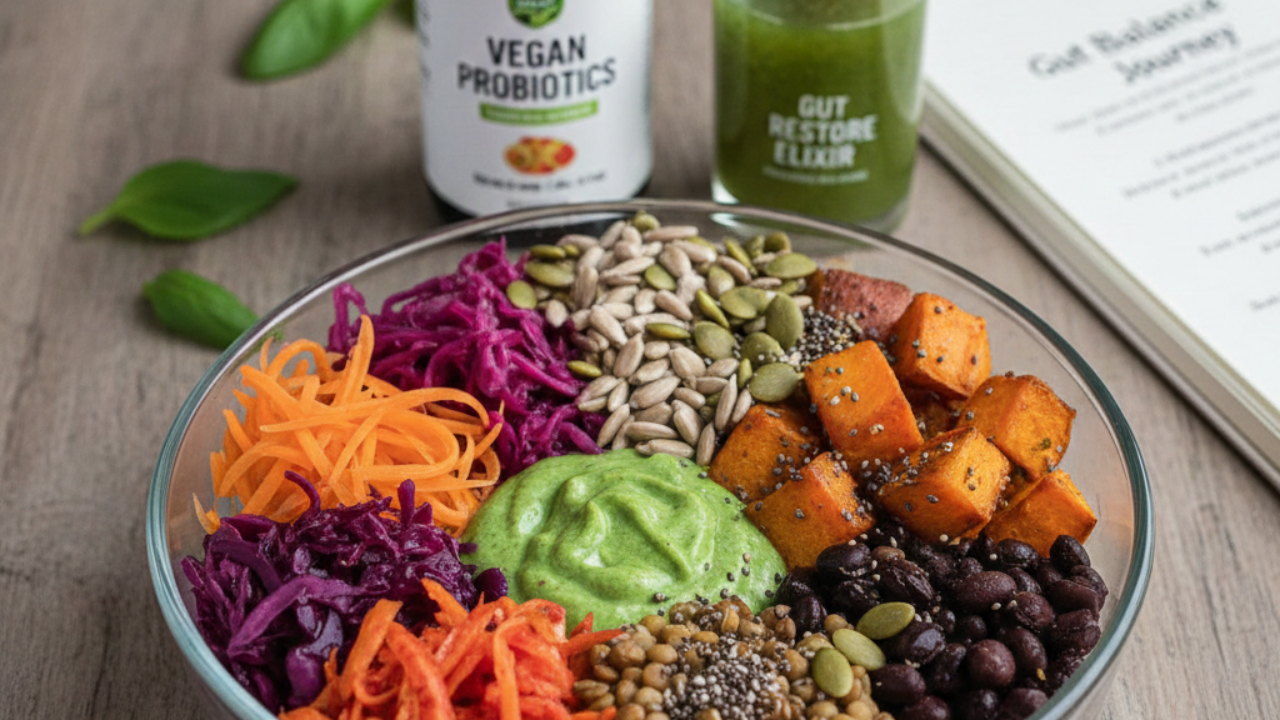
Vegan Polyphenol Intake and Gut. Dietary concerns regarding intestinal health have been of great concern to people who eat plant-based diets over the past few years. The polyphenols are natural, with a high concentration in fruits, vegetables, nuts, seeds, and whole grains, and are a high source of polyphenols in a vegan diet that helps prevent inflammation and cell damage. These are highly essential chemicals in maintaining the gut microbiome in a healthy condition and also overall health.
The long-term health of people can be improved by understanding the effects of polyphenols on the gut, the effects of polyphenols on immunity, and what an unhealthy gut will look like. Polyphenols also have an interaction with the gut microbiome, where they occur as prebiotics, which nourish good bacteria like Lactobacillus and Bifidobacterium. The bacteria, in turn, generate short-chain fatty acids such as butyrate that aid in the preservation of the integrity of.
The intestinal lining lowers the inflammation and promotes the health of metabolism. Also, harmful bacteria can be prevented by the growth inhibition of polyphenols, which, in turn, prevents gut dysbiosis, or a state of imbalance in the composition of gut microorganisms. In the case of vegans, the wide variety of foods that contain polyphenols, such as berries, green tea, cocoa, and colorful vegetables, is not only beneficial to the maintenance of gut microbial diversity.
Are the polyphenols beneficial to the gut bacteria?
Polyphenols are biologically active products that can be found in the majority of plant-derived products such as berries, tea, cocoa, apples, and olive oil. It is not a secret that people know that these are good for your health since they are antioxidants but recent studies have revealed that they help the gut microbiota. The gut microbiome contains trillions of microorganisms, including bacteria, viruses, and fungi, which aid in digestion, metabolism, and the immune system.
Polyphenols are prebiotics, which feed good gut bacteria such as Lactobacillus and Bifidobacterium with nutrition to grow. Then these bacteria produce short-chain fatty acids (SCFAs) such as butyrate that help in maintaining the gut barrier, reducing inflammation, and improving metabolic health. It has been shown that a healthy microbiome can be indicated by the presence of a rich diversity of microbes in the gut, which can be achieved through eating diets rich in polyphenols.
Polyphenols are also antibacterial and can help keep the bad bacteria at bay, which reduces the possibility of gut dysbiosis or an imbalanced microbiota in the gut. Among vegans, consuming high-polyphenol foods, including dark chocolate, green tea, and colorful fruits and vegetables, on a daily basis may be extremely beneficial to gut health.
Is it true that 70% of your immune system resides in the gut?
The gut has great significance to immunity. The gut-associated lymphoid tissue (GALT) contains some 70 percent of the immune system. This complex of immune cells monitors and prevents infection and is tolerant to harmless bacteria and food antigens. The microbiome of the gut is essential to the normal functioning of the immune system. It interferes with the resistance of the body to fight infections, regulate the inflammation, and even with mental well-being.
Polyphenols aid in the immune system by modifying the microbiota of the gut and reducing inflammation. Good bacteria produce SCFAs, which are signaling molecules and influence the functioning of the immune system, enabling the body to attack harmful microbes. Polyphenols also directly affect the immune system; hence, certain immune cells, e.g., macrophages or T-cells, perform better. As an essential practice to support the gut and the strength of the immune system, adding high-polyphenol foods can be a crucial step to enhancing the health of the people following a vegan diet.
What are the symptoms of an intestine that is not in good condition
It is essential to understand the symptoms of an unhealthy stomach in order to seek assistance at the earliest stage. Gut dysbiosis may manifest itself in various forms, including digestion issues, including gas, bloating, constipation, or diarrhea. An unhealthy gut may not only cause digestive issues but also make you feel very tired, have brain fog, have skin issues, be sensitive to certain foods and even affect your mood.
A biased gut microbiota has the potential to complicate nutrient absorption by the body, lead to inflammation across the body, and damage the gut-brain axis, which is a system that links the gut and the central nervous system. Additional symptoms include recurrent infections, lapses of autoimmune processes, and a decrease in stress tolerance.
Vegan intake of large amounts of polyphenols, fiber, and fermented foods will assist in restoring the appropriate balance of microbes and reducing inflammation and contributing to the gut repair. In order to prevent any long-term issues and enhance your overall health, it is always good to check on your gut health and change your diet regularly.
Fueling a healthy gut using a vegetarian diet
Vegan diets based on polyphenols are excellent for gut health since they keep your microbiome and immune system in balance. Being conscious about the first signs of gut imbalance and using smart food choices, people are able to preserve their digestive health and prevent any long-term issues. By making polyphenols and whole-body health practices their priority, you can develop a strong gut that will ensure that you remain healthy and full of life.
Besides sustaining intestinal bacteria, the polyphenols assist in the surmounting of inflammation all over the digestive tube. The prolonged inflammation process may result in the weakening of the gut lining, which permits exposing the bloodstream to harmful substances and causing the body to react to the inflammation, which may result in multiple health issues.
The vegans may reinforce the gut barrier and control the effects of inflammatory pathways as well as enhance the absorption of nutrients by regularly eating polyphenol-rich foods like berries, green tea, cocoa, and colorful vegetables. Eating such foods in addition to sufficient fiber consumption also feeds good microbes, which is a synergistic effect that improves the overall digestive performance.