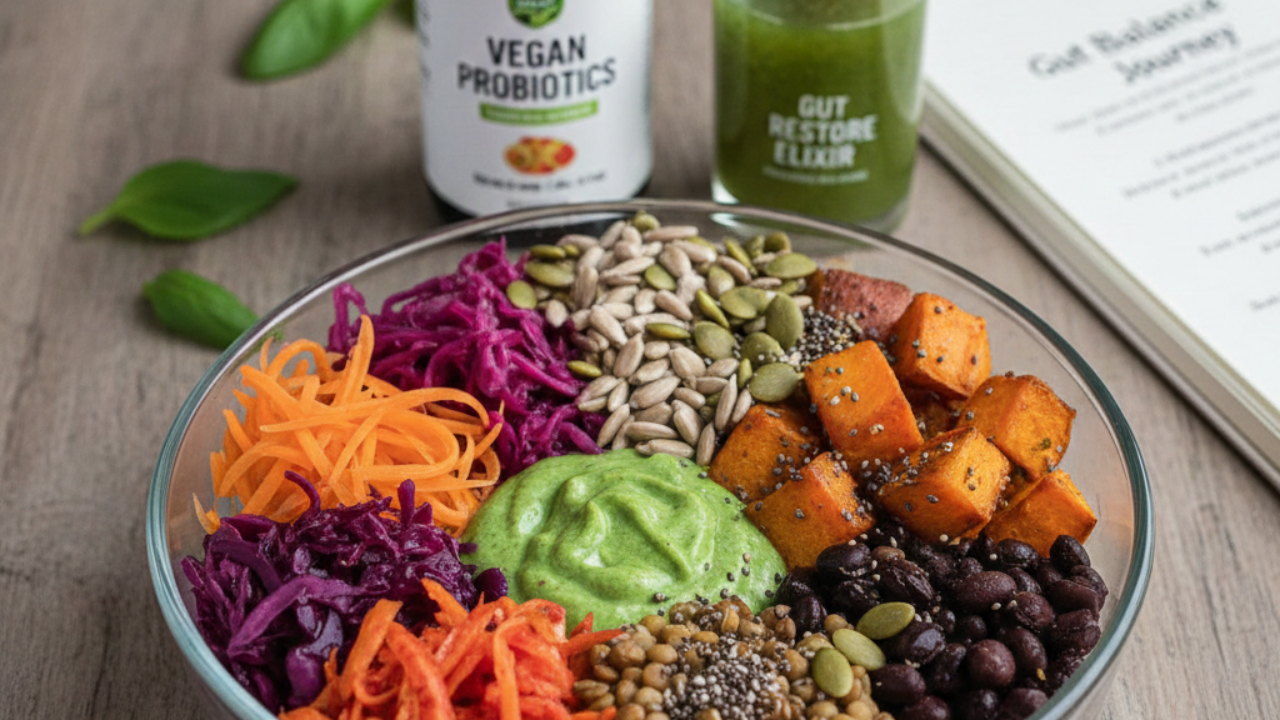
Human gut microbiota has a significant effect on immunity, digestion, and overall health. Plant-based diets, especially vegan diets, have been studied within the context of their impact on intestinal health in the past few years. Vegan diets are naturally rich in fiber, antioxidants, and plant-based chemicals, which promote healthy intestinal flora and help build a strong and diverse microbiome.
The understanding of the effect of veganism on the microbiome is increasingly becoming essential as more individuals switch to this diet due to ethical, environmental, or health-related motivations. This article answers significant questions that most people have about the gut of plants during the analysis of the variety of the vegan microbiome, its potential benefits, and common concerns.
What is the Vegan 30/30/30 Approach?
To vegans, the most famous 30/30/30 rule, which sometimes discussed within the circles of nutrition, has undergone adjustments to allow a more balanced and diverse gut microbiota. This recommendation advocates for the consumption of 30 different plant foods per week and 30 grams of fiber daily. In order to have a high level of dietary diversity, plant kinds are to be mixed.
Rather than relying on a limited food intake on a daily basis, this approach seeks to feed a wide range of intestinal microbes. Gut bacteria are useful in different strains with respect to various types of plant fibers. An example is that, unlike leafy greens and whole grains, which feed certain bacteria that ferment fibers, the legumes feed others. Diversity can enhanced in what you eat to enrich the diversity of your microbial inhabitants.
Since this rule is already followed by plant-based diets, which strongly emphasize fruits, vegetables, legumes, nuts, seeds, and whole grains, it not difficult to comply with it among vegans. The 30/30/30 technique will be useful to keep the digestion and immunity good and make sure that vegans receive appropriate fiber and minerals.
Is Lactose intolerance brought about by a Vegan Lifestyle?
Some individuals can also experience digestive issues when they switch to a plant-based diet despite the fact that vegan diets can substantially improve gut health. This is more common among new vegans who suddenly increase his or her intake of fiber. Eating too young, such high-fiber foods as beans, lentils, whole grains, and cruciferous vegetables could cause gas, bloating, or bowel movements. These symptoms normally short-lived, though.
Microbiota adaptation makes the gut more efficient at breaking down plant fibers, and the pain often reduced. The change process can be eased through a rotation of food intakes, sufficient water intake, and the addition of high-fiber foods in small portions. Moreover, some intolerances, like those to legumes, gluten, soy, or specific vegetables, can also contribute to the development of digestive issues. The vegan diet has to tailored under some circumstances.
Vegan diet is very flexible and gives an individual a chance to choose the food that would meet their nutritional needs as well as promote digestive comfort. The other important fact is that a non-varied vegan diet can lead to bacteria imbalances within the stomach. Even plant-based consumption of the same few meals time and again may lead to the reduction of microbial richness. Consequently, consuming a variety of plant-based foods is important to have a healthy microbiome and prevent nutrient deficiencies.
The Plant-Based Microbiome has several advantages.
The typical microbiome of a vegan consists of favorable bacteria that thrive on dietary fiber, polyphenols, and resistant starch. The net effect of this is often a series of measurable benefits that lead to overall health and well-being. Plant-based Greater Microbial Diversity Diets encourage the development of numerous bacteria. A diverse microbiome associated with better metabolic health, high levels of immunity, and resistance to infections and illnesses.
- Decreased Inflammation
As a rule, vegans consume more anti-inflammatories and antioxidants. This reduces inflammatory markers in the body, and this reduces the risk of chronic diseases such as diabetes, cardiovascular diseases, and certain cancers. - Better Digestive Health
A high intake of fiber also helps sustain normal bowel movements, prevents constipation, and helps the good bacteria to produce short-chain fatty acids (SCFA). SCFAs help regulate immune reactions and improve the gut lining.Improved Control of Weight - A fiber-fermenting bacteria vegan microbiome can be beneficial in the maintenance of healthy weight and blood sugar levels and enhanced satiety.
- Enhanced Immune Response.
A healthy vegan microbiome strengthens the body’s disease resistance and environmental responses because many immune cells reside in gut. - Enhanced Immune Defense The gut contains a large percentage of the immune system and therefore a healthy vegan microbiome can enhance the host response to infections and environmental stressors. Lower Risk of Gut Disorders
The consumption of a plant-rich diet also reduces the incidence of such diseases as diverticulitis, irritable bowel syndrome (IBS), and inflammatory bowel disease (IBD) in a significant number of people. The presence of prebiotic fibers is beneficial towards maintaining the gut environment in equilibrium and stability. All in all, the advantages of a vegan microbiome are much more than digestion benefits for almost all body systems
Increasing Gut Health with Long-term Diversity of Plants.
A vegan diet has immense gut microbiome advantages, as it can help to establish a niche that the beneficial microorganisms can flourish in, diversify, and promote the entire well-being. Nonetheless, these advantages will attained through careful eating, especially when becoming vegan or modifying the fiber consumption.
It is possible through diversifying the diet, eating a plethora of plant-based foods and closely monitoring your personal digestive response. It is possible to create a beneficial and productive intestinal environment. Over time, the establishment of various vegan microbiomes associated with improved immunity, healthier digestion, reduced inflammation, and overall better health due to the interconnectedness of dietary practices and gut health.