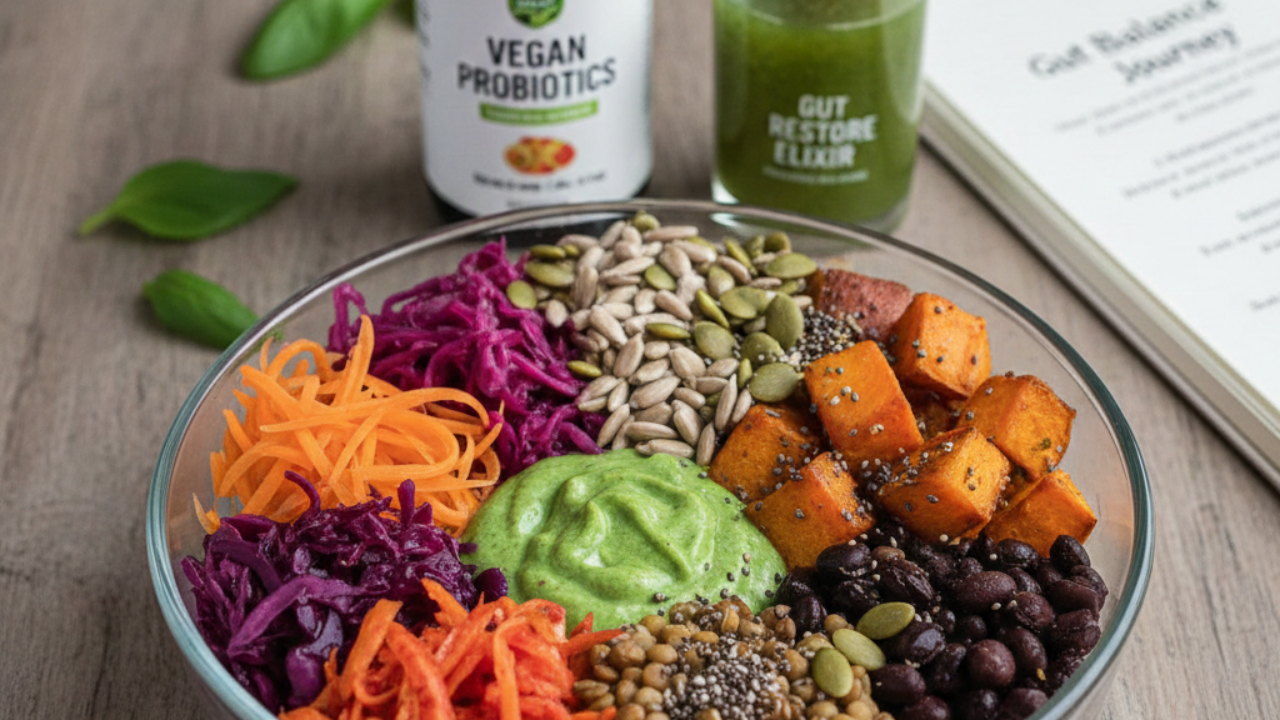
The gut health is of paramount importance to people who lead a vegan lifestyle compared to all other people. Plant-based diets are healthy by design and, thus, help in digestion by being high in fiber, antioxidants, and other nutrients. Nonetheless, a vegan diet may sometimes cause some digestive issues such as bloating, bowel issues, or nutrient absorption. You can also boost your energy, immunity, and digestion and make the benefits of living vegan better by knowing how to nourish your stomach.
The digestive system is one of the most crucial components of the human body, and it is important to understand the complexities of vegan gut health since the digestive system is the key to the effective breakdown of the plant-based foods. A healthy gut facilitates the absorption of nutrients, helps the body to resist dangerous pathogens, and provides the immune system with maximum effectiveness.
Gut balance is of particular concern to vegans because of increased consumption of fermentable fibers and a risk of some nutrient shortage. In order to achieve a healthy digestive system, vegan gut health are recommended to use a huge variety of whole plant foods their diet, to focus on hydration, and to have mindful eating habits. The discomfort can also avoided by the introduction of fermented foods, a gradual increase in the intake of fiber, and a reduction in the highly processed vegan alternatives.
What is the Vegan 30/30/30 Approach?
The 30/30/30approach, somewhat different from the famous standard, encourages vegans to keep the intestinal health with the use of a balanced and systematized timetable. The idea is to split your everyday routine into three manageable components, i.e., 30 minutes of movement daily, 30 grams of fiber daily, and 30 types of plant foods weekly. This method is beneficial to the gut in three ways.
To begin with, consuming 30 grams of fiber will aid good bacteria in your digestive system to increase in number by feeding them. Fiber is found in whole grains, legumes, fruits, vegetables, nuts, and seeds, which all important constituents of a well-planned vegan diet. Second, there an assurance of microbial diversity as long as 30 different plant items are eaten on a weekly basis. The various kinds of gut bacteria have diverse fibers, polyphenols, and nutrients that are fed by different plants.
The more vegetable food you consume, the more diverse and healthy your microbiota of the gut will be. Finally, the exercise of relocating 30 minutes a day facilitates peristalsis, which is the contraction of the muscles that help in the movement of food and waste through the digestive tract. Any daily exercise, dancing, walking, yoga, or cycling will significantly improve gut health and reduce bloating.
How Does a Vegan Diet Prove to be helpful in Restoring My Gut?
Having a combination of purposeful dietary habits, lifestyle modifications, and conscious eating habits is the way to heal or rebuild your gut upon following a vegan diet. One of the most important things that you need to do is to gradually increase the intake of fiber in case it is not a regular practice. Even though vegans are more likely to eat more fiber than non-vegans are, eating too much fiber at once may lead to discomfort or flatulence. It is better to transition gradually to food with a large amount of fiber to allow your gut flora time to adjust.
Another factor that is important is hydration. To ensure that fiber moves through the digestive system with reduced difficulty and prevent constipation, it should supplemented by an adequate water consumption. Also proper hydration facilitates the development of stomach acid and digestive enzymes, which are necessary for healthy absorption of nutrients. The other useful gut-healing method is to eat fermented foods.
Plant-based yogurt, kimchi, miso, tempeh, sauerkraut, kombucha, and other fermented foods that are vegan are all examples of healthy probiotics that replace the balance of the gut flora. These foods help to reinforce the bowel system, reduce inflammation, and promote normal digestion. Also, it is important to avoid highly processed vegan food at any cost. Although they are convenient, they often contain gums, emulsifiers, and chemicals that may cause discomfort of the microbiota.
The Five R’s of Gut Repair: What Are They?
The most common approach to the healing of digestive systems is the so-called 5 R’s approach, which slightly modified compared to the initial one. It may be successfully used to supplement gut health and reduce chronic symptoms on a vegan diet.
- Take out
The first step is to eliminate stimuli that might provoke the gut or culminate in the development of inflammation. It can be alcohol, processed foods, excessive amounts of sugar, artificial additives, and foods that you may be intolerant to. Other vegans, also depending on their sensitivity, can find that gluten or certain legume reduction can help. - Swap out
Then you stuff up whatever is missing in your stomach. These include stomach acid and digestive enzymes and essential nutrients. Supplementing with sufficient B12, iron, omega-3s, and zinc, which help keep cells and intestines healthy, can be of particular benefit to vegans. Peppermint, fennel, and ginger are herbs that promote digestion. - Re-immunize
Healthy microorganisms should reintroduced. The probiotics in fermented vegan food and supplements help to restore the microbial balance. Prebiotics, which are foods rich in fiber such as oats, bananas, onions, garlic, and legumes, feed and strengthen the new bacteria. - Fix
This stage aims at healing the intestinal lining. Antioxidants, polyphenols, vitamins A and C, and omega-3s found in flax, chia seeds, and walnuts are high-plant foods that support tissue regeneration. Aloe vera and L-glutamine are two such supplements that may be good but must be used sparingly, particularly by vegans whose digestive systems sensitive.
Breeding Lifelong Digestive Wellness.
The vegan diet can potentially be the most healing to the gut, but it works best with conscious habits, thus enabling one to sustain a microbial diversity, healthy digestion, and balance. The 30/30/30, feeding the gut with whole foods and hydration, and the 5 R method could be a solid foundation fordigestive health. Vegans can have a healthier long-term by working hard and making smart food choices that could help them have more energy, an improved immune system, digest food more easily, and have good health.
Their continuation also promotes long-term wellness since regular decisions will create a healthy gut environment in the long run. Every meal full of nutrients, careful lifestyle, and attitude to the self, vegans strengthen their bowel health and contribute to a healthier body. Finally, a vegan diet is a well-thought-out approach that not only maintains gut healing but is also better overall due to increased vitality, clear thinking, and physical balance, which only increase with commitment and daily intent.